
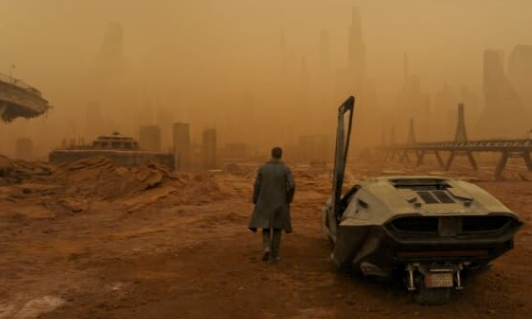
Dystopian future films offer viewers a lens into the darkest possibilities of human society. These films often explore themes of surveillance, authoritarianism, and ecological disaster, reflecting contemporary fears while provoking thought about the future.
1. The Rise of Dystopian Cinema
The genre of dystopian cinema gained traction particularly in the late 20th century, influenced by works in literature and changes in societal fears. Films like “Blade Runner” (1982) and “The Terminator” (1984) introduce audiences to worlds governed by technology and existential threats. These movies often serve as cautionary tales, warning society about the potential consequences of unchecked advancement in artificial intelligence and corporate power.
As the millennium approached, the genre evolved, with films like “The Matrix” (1999) dissecting the nature of reality and control. With every new release, audiences are provoked to engage in discussions about privacy, freedom, and identity in a digital age. The evolution reflects not only advancements in technology but also a shift in cultural anxieties regarding where mankind is headed.
-
- Watch iconic films from various decades to see how themes evolve Over time.
-
- Consider reading the books that inspired these films for a deeper understanding.
-
- Join movie discussion groups to share insights with others.
-
- Take note of relevant socio-political changes influencing film production.
2. Common Themes in Dystopian Films
Dystopian films commonly address themes such as totalitarianism, environmental collapse, and societal collapse. These narratives often center around the struggles of individuals against oppressive systems. For example, films like “The Hunger Games” (2012) highlight the fight against a corrupt government that prioritizes control over human lives.
Another frequent theme is the impact of technology on human existence. Movies like “Elysium” (2013) depict class divisions exacerbated by access to technological advancements. This growing disparity between the privileged and the impoverished resonates with current global issues, making the films not just entertainment but socially relevant commentary.
-
- Identify recurring motifs in your favorite dystopian films.
-
- Compare themes with current global events to find parallels and contrasts.
-
- Think critically about how characters’ choices reflect or challenge societal norms.
-
- Discuss the films’ portrayals of technology and its implications.
3. The Impact of Dystopian Films on Society
Dystopian films often resonate deeply with audiences as they highlight societal issues that can lead to real-world anxieties. By depicting grim futures, filmmakers spur discussions on climate change, civil liberties, and the rise of authoritarian regimes. A good example is “Children of Men” (2006), which delves into themes of global infertility and societal collapse, provoking thoughts about demographics and environmental sustainability.
The educational aspect of these films cannot be understated either. They encourage audiences to actively engage with pressing issues, motivating activism and social change. As a result, many viewers find themselves inspired to delve deeper into issues presented on-screen, sometimes even leading to real-world advocacy efforts.
-
- Reflect on how films have changed your views about specific issues.
-
- Engage with community initiatives that address the issues highlighted.
-
- Share films that have made an impact on you with friends or family.
-
- Consider writing reviews or blog posts that explore these themes further.
4. The Future of Dystopian Films
As technology continues to advance, the future of dystopian films will likely explore the implications of AI, climate change, and genetic manipulation even further. Creatives will draw inspiration from recent global events, leading to a new wave of storytelling that resonates with current and future fears. Films such as “Snowpiercer” (2013) and “The Platform” (2019) show a growing focus on survival within closed systems, making for engaging, yet critical viewing experiences.
Furthermore, the rise of streaming services has provided platforms for lesser-known filmmakers to express dystopian visions beyond mainstream cinema. This diversification encourages a broader range of narratives and perspectives. As a result, audiences can expect fresh takes on familiar themes intertwined with new cultural contexts.
-
- Stay updated with new releases in the dystopian genre on streaming platforms.
-
- Follow filmmakers and trends on social media to discover emerging voices.
-
- Engage with fan communities that explore upcoming distributions.
-
- Be open-minded about international films telling unique dystopian stories.
Dystopian future films not only entertain but also challenge us to reflect on our societal realities and future possibilities. By understanding their themes and implications, we can engage more thoughtfully with the world around us. So, next time you watch a dystopian film, consider its message and how it relates to our lives today.