
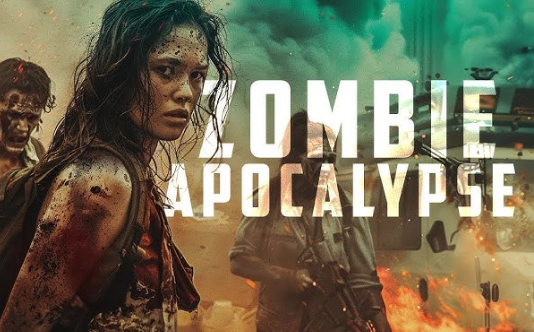
Zombie apocalypse movies have fascinated audiences for decades, exploring themes of survival, humanity, and the grotesque. These films offer not only thrilling entertainment but also provide a glimpse into societal fears and what we would do in extreme circumstances. Whether you’re a die-hard fan or a casual viewer, there’s much to explore in this genre.
1. The Origins of Zombie Movies
The modern zombie movie can trace its roots back to George A. Romero’s groundbreaking film “Night of the Living Dead,” released in 1968. This film introduced the idea of zombies as shambling, flesh-eating creatures that were once human. Romero’s zombies serve as a metaphor for societal issues, urging viewers to confront uncomfortable realities. The film’s critical success opened doors for a slew of sequels and inspired filmmakers worldwide to delve into the genre.
In the 1980s, movies such as “The Evil Dead” and “Return of the Living Dead” further solidified the zombie’s place in cinematic history. They expanded the genre’s scope, bringing elements of horror-comedy into the mix. This trend showcased how versatile zombie tales could be, blending humor with horror and offering diverse narratives for different audiences.
-
- Watch “Night of the Living Dead” for historical context.
-
- Check out “Evil Dead” for a unique horror-comedy twist.
-
- Explore independent films that pay homage to early classics.
-
- Read interviews with filmmakers to understand their inspirations.
2. Iconic Zombie Movies You Must See
Apart from Romero’s classics, several films have captured the imagination of audiences and critics alike. “28 Days Later,” directed by Danny Boyle, redefined the genre by introducing the concept of fast-moving zombies. Set in a post-apocalyptic London, the film captures the essence of survival amidst chaos, emphasizing human resilience and the importance of community.
<p“World War Z,” based on the book by Max Brooks, explores a global pandemic that turns people into zombies. With an impressive cast led by Brad Pitt, it showcases the race against time to find a cure. The film also highlights themes of family, sacrifice, and what it means to protect loved ones in dire situations, making it a must-watch.
-
- Make a checklist of emblematic zombie films to watch.
-
- Join a movie group to discuss themes and ideas.
-
- Revisit classic films and compare them to modern ones.
-
- Explore international zombie films for different cultural takes.
3. The Societal Impact of Zombie Apocalypse Movies
Zombie movies often serve as a lens through which societal fears and anxieties are examined. The chaos that ensues in these films reflects real-world issues, ranging from government overreach and environmental concerns to pandemics and social isolation. By presenting these fears in an exaggerated format, filmmakers invite audiences to confront the subconscious worries that pervade modern life.
Moreover, these films can inspire discussions on ethics and morality. In desperate situations, characters often face difficult decisions that test their humanity. The portrayal of choices in the face of horror can lead to rich conversations about what it means to be human and how far one would go to survive.
-
- Engage with others in discussions about film themes.
-
- Research societal issues presented in different films.
-
- Analyze characters’ decisions and their ethical implications.
-
- Keep a journal of thoughts and insights after watching films.
4. The Future of Zombie Films
As a dynamic genre, zombie movies continue to evolve. Recent films such as “Train to Busan” and series like “The Walking Dead” have added fresh twists, incorporating character development and emotional depth. These newer adaptations reveal that the genre is not just about external threats but also about internal struggles among its characters.
Technology and social media are also influencing the new wave of zombie films. With the rise of streaming platforms, indie filmmakers can produce innovative stories without major studio backing. This democratization of storytelling allows for diverse voices and perspectives, promising to keep the genre vibrant and relevant.
-
- Follow horror festivals for new and innovative films.
-
- Support independent filmmakers and new projects.
-
- Study the evolution of zombie narratives over time.
-
- Keep an eye on how technology shapes storytelling.
In conclusion, the world of zombie apocalypse movies offers more than just thrills; it serves as a mirror reflecting our societal anxieties and moral dilemmas. Whether you’re analyzing classic films or exploring emerging narratives, there’s much to learn. Dive into the genre to enrich your understanding and perhaps discover more about our shared human experience.