
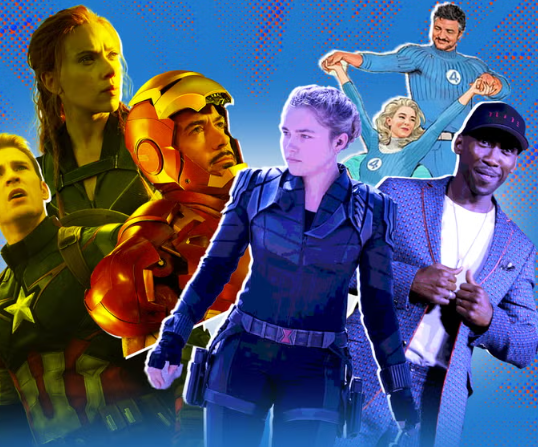
The Marvel Cinematic Universe (MCU) has taken the world by storm since its inception in 2008. With its intricate storylines, diverse characters, and groundbreaking special effects, the MCU has captivated audiences across generations. This blog post explores the key factors that contributed to the unprecedented popularity of the MCU.
1. Compelling Character Development
One of the foremost reasons for the MCU’s popularity is its ability to create well-rounded, relatable characters. The films offer more than just superhuman abilities; they delve into the characters’ backstories, motivations, and relationships. For instance, Tony Stark’s evolution from a self-absorbed billionaire to a selfless hero gives viewers a character arc that feels rewarding and engaging. Each character’s journey is crafted thoughtfully, so audiences can emotionally invest in their growth over the series.
In addition to individual stories, the ensemble cast allows the MCU to explore various character dynamics. Films like “Avengers: Endgame” have showcased the interplay between characters, revealing their vulnerabilities and alliances. This touches on fundamental human themes of friendship, sacrifice, and redemption, which resonate deeply with viewers.
-
- Explore character arcs in detail to enhance viewer engagement.
-
- Use flashbacks and side plots to enrich backstories.
-
- Maintain character consistency across films for credibility.
-
- Show diversity in character backgrounds and motivations.
2. Interconnected Storytelling
The MCU pioneered a unique film approach by creating a shared universe where everything is interconnected. Each movie builds on the previous ones, encouraging audiences to watch in chronological order for a full understanding of the overarching narrative. This method keeps fans engaged and eager for what’s next, as they become invested in the fates of various characters across different storylines. For example, the Infinity Saga’s multi-phase storytelling culminated in “Avengers: Infinity War” and “Avengers: Endgame,” creating a spectacular payoff for loyal fans.
This interconnectedness also allows for crossover events that can reignite interest in lesser-known characters. Films such as “Doctor Strange” weave in and out of others, expanding the universe and providing endless opportunities for new stories. By investing in a long-term narrative strategy, the MCU successfully captivates audiences from one film to the next.
-
- Plan multi-phase story arcs to maintain viewer interest.
-
- Incorporate thrilling cliffhangers and surprises for emotional impact.
-
- Engage viewers through post-credit scenes that tease future projects.
-
- Develop spin-off series to further explore character stories.
3. Innovative Visual Effects and Filmmaking Techniques
The technological advancements in filmmaking have revolutionized the way stories are told in the MCU. The use of cutting-edge visual effects, CGI, and practical effects not only enhances the spectacle but also immerses the audience in fantastical realities. Noteworthy examples include the stunning visuals of “Guardians of the Galaxy” and the intricate battles featured in “Avengers: Endgame,” which transport audiences into the MCU’s colorful universe.
Moreover, directors like the Russo brothers have skillfully utilized unique filming techniques, including extensive use of IMAX and practical effects, to create memorable action sequences. These efforts ensure that every film in the franchise feels like a blockbuster event, drawing audiences into theaters and enhancing their viewing experience.
-
- Invest in R&D for special effects to push creative boundaries.
-
- Utilize both CGI and practical effects for a balanced visual experience.
-
- Promote films in IMAX for enhanced audience immersion.
-
- Collaborate with experienced directors to elevate storytelling techniques.
4. Strategic Marketing and Fan Engagement
Marvel Studios has mastered the art of marketing, employing a mix of traditional and digital strategies to engage audiences. With each movie release, they create buzz through trailers, sneak peeks, and promotional events. Fans are encouraged to interact with the content via social media, fan theories, merchandise, and events like Comic-Con, which empower them to feel part of the MCU community. This engagement makes viewers feel invested in upcoming releases and keeps them excited about new developments.
Additionally, strategic partnerships with brands and franchises create a broader cultural footprint. Collaborations with toy manufacturers, clothing brands, and even thematic experiences at Disneyland enhance the overall excitement. By understanding their audience and meeting them where they are, Marvel ensures that interest in the MCU remains high between film releases.
-
- Leverage social media for interactive fan engagement.
-
- Create compelling content that entices viewers, such as behind-the-scenes looks.
-
- Utilize influencer partnerships to reach a wider audience.
-
- Attend major comic and pop culture events for exposure.
In conclusion, the success of the MCU is no accident; it is the result of thoughtful character development, interconnected storytelling, innovative techniques, and effective marketing strategies. As fans eagerly await future releases, they can look forward to even more thrilling experiences within this universe. Embrace the world of Marvel by exploring the films you haven’t seen yet or engaging with fellow fans to discuss your favorite characters and theories!