
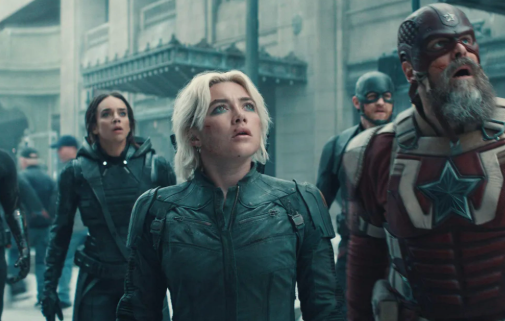
The Thunderbolts are one of Marvel’s most intriguing teams, and their anticipated arrival in the Marvel Cinematic Universe (MCU) has fans buzzing with excitement. Comprised of antiheroes and reformed villains, this group brings a fresh take on teamwork in the superhero genre.
1. The Origins of the Thunderbolts
The Thunderbolts first appeared in Marvel Comics in 1997, created by writer Kurt Busiek and artist Mark Bagley. Their debut nickname was a clever cover; they were initially disguised as heroic figures after the Avengers’ disappearance. The original lineup featured characters like Baron Zemo and the Moonstone, who posed as heroes while secretly plotting their own schemes. This unique twist captivated readers and set the tone for the team’s complex storytelling.
The concept has evolved over the years, showcasing various iterations of the Thunderbolts. Notably, some characters have transitioned from villains to reluctant heroes, reflecting themes of redemption and moral ambiguity. This dual identity resonates with audiences, showing that not all heroes fit the classic mold. Fans are excited to see how this rich backstory will be adapted into the MCU and whether they’ll stay true to their comic roots.
-
- Familiarize yourself with the original comic series.
-
- Identify key characters and their transformations.
-
- Explore different story arcs involving the Thunderbolts.
-
- Consider how the team reflects broader themes in the Marvel universe.
2. Key Characters in the Thunderbolts
The Thunderbolts’ roster is filled with complex characters, each bringing their motivations and skills to the table. Among the most notable members are John Walker (U.S. Agent), Yelena Belova (Black Widow), and Bucky Barnes (Winter Soldier). Each of these characters has a rich backstory that can add depth to the Thunderbolts’ portrayal in the MCU. For instance, Yelena’s struggles with her past in “Black Widow” provide an emotional anchor for her character growth within this team.
Another character to look out for is Helmut Zemo, who started as a villain but has since navigated his identity in intriguing ways. Understanding the dynamics between these characters will be essential in grasping the team’s identity. The blend of past grievances and personal growth will keep viewers engaged in the character arcs throughout the film.
-
- Research each character’s backstory before the movie release.
-
- Watch previous appearances in the MCU for context.
-
- Note the interactions among team members for hints about character development.
-
- Pay attention to the potential for new character introductions in the film.
3. Themes and Dynamics of the Thunderbolts
One of the most compelling aspects of the Thunderbolts is their exploration of morality. These characters are not wholly good or evil, which allows for nuanced storytelling. The emphasis on redemption and the struggle between past mistakes and the desire to be better often leads to some of the most intense scenes. This moral grayness serves as a rich ground for conflict both within the team and against external threats.
The team dynamics are equally pivotal; while they may have been enemies in the past, the necessity of cooperation forces them to confront their differences. This psychological tension adds layers to the narrative, making it more than just a standard superhero film. Discussions about trust, loyalty, and sacrifice are likely to emerge, encouraging audiences to reflect on their definitions of heroism.
-
- Contemplate the moral dilemmas faced by the characters.
-
- Discuss themes of redemption with friends or fellow fans.
-
- Analyze how conflict within the team can lead to a richer story.
-
- Watch for character development throughout the film.
4. The Future of the Thunderbolts in the MCU
The Thunderbolts’ transition into the MCU raises interesting questions about how their story will unfold within the broader cinematic landscape. As Marvel continues to expand its universe, integrating these antiheroes could lead to myriad opportunities for crossover events and character interactions. Additionally, their evolving moral compass may set the stage for new conflicts within the MCU, particularly as newer heroes and villains enter the fray.
Fans speculate about potential story arcs, from adapting classic comic storylines to introducing new narratives that reflect current societal challenges. The ever-evolving nature of the MCU allows for creative flexibility, making it both exciting and unpredictable. Insights from comic fans will likely shape discussions about what we can anticipate for the team’s future.
-
- Stay updated on MCU announcements regarding the Thunderbolts.
-
- Engage in fan forums to share and discuss theories.
-
- Speculate on which existing characters might appear alongside the Thunderbolts.
-
- Consider how upcoming films could hint at the Thunderbolts’ role in the MCU.
In conclusion, the Thunderbolts represent a unique intersection of heroism and villainy, promising to add complexity to the ongoing narrative of the MCU. As we await their arrival, taking the time to explore their backstory and character dynamics will enrich our viewing experience. Dive into their comics, engage with fan communities, and prepare to be enthralled by their stories!