
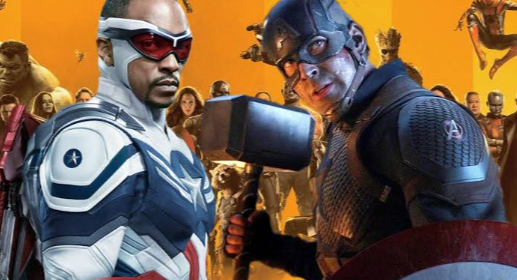
Steve Rogers, or Captain America, is one of the most iconic characters in the Marvel Cinematic Universe (MCU). His journey throughout the MCU is not just about superhero battles but also about personal growth, moral dilemmas, and pivotal moments in history. In this post, we will break down his timeline in a chronological order, highlighting key events that shape his character.
1. Early Life and Transformation
Steve Rogers was born in Brooklyn, New York, in 1920. Despite his frail physique, he had a strong sense of justice and an unwillingness to back down from fighting for what he believed in. In a world that was grappling with the rise of fascism, Steve’s character was deeply influenced by his experiences and the hardships he faced growing up during the Great Depression.
His life took a dramatic turn when he volunteered for the Super Soldier Program. Under the guidance of Dr. Abraham Erskine, Steve was transformed into the superhuman Captain America after receiving a serum that amplified his strength, speed, and agility. This transformation not only made him a formidable soldier but also established him as a symbol of hope during World War II.
-
- Read about Steve’s early challenges and how they shaped his character.
-
- Research the historical context of the 1940s to better understand his motivations.
-
- Watch “Captain America: The First Avenger” for a visual representation of his transformation.
-
- Explore the themes of sacrifice and resilience throughout his journey.
2. World War II and the Avengers
During World War II, Captain America became a key figure in the fight against Hydra, a rogue organization led by the Red Skull. His leadership skills and bravery rallied troops and inspired a generation. Notably, his iconic shield became a symbol of resistance and justice, further solidifying his status as a hero.
After finding himself frozen in ice at the end of the war, Steve’s awakening in the modern world posed challenges that tested his adaptability. He eventually joined the Avengers, working alongside heroes like Iron Man and Thor. This team dynamic brought new challenges and opportunities for Steve to grow, as he learned to balance his idealism with the complexities of modern threats.
-
- Analyze how Steve’s time in World War II influenced his moral code.
-
- Take note of how his leadership evolves during the formation of the Avengers.
-
- View “The Avengers” (2012) to understand his role within the team.
-
- Reflect on the relationships formed during this period, especially with Tony Stark.
3. The Winter Soldier and the Modern Conflict
In “Captain America: The Winter Soldier,” Steve faces new dilemmas when he discovers that S.H.I.E.L.D. has been compromised. The film introduces the Winter Soldier, a mysterious figure from his past, who turns out to be his long-lost friend Bucky Barnes. This revelation thrusts Steve into a personal battle that confronts notions of loyalty, friendship, and betrayal.
This chapter of his journey encapsulates a broader thematic exploration of surveillance and control, resonating with contemporary societal issues. Ultimately, Steve’s decision to stand against S.H.I.E.L.D.’s practices highlights his unwavering commitment to freedom over security, making him a nuanced hero in a complex world.
-
- Consider how the film reflects modern political themes regarding surveillance.
-
- Investigate Steve’s moral choices and how they shaped his character further.
-
- Discuss the significance of Bucky as a character in Steve’s life.
-
- Watch “Captain America: The Winter Soldier” for deeper emotional resonance.
4. Civil War and the Clash of Ideals
The events in “Captain America: Civil War” mark a profound shift in Steve Rogers’ character. Faced with the Sokovia Accords, a government mandate aimed at regulating superhero activities, he goes against his fellow Avengers, including Iron Man. This division emphasizes his belief in personal freedom, contrasting with Iron Man’s perspective on accountability.
This conflict pits friends against each other, showcasing varying ideologies of heroism. The emotional turmoil of fighting against trusted allies adds layers to Steve’s character, ultimately pushing him to prioritize his moral compass over conforming to governmental oversight. This chapter underscores the significance of personal conviction in the face of collective pressure.
-
- Examine the philosophical debates presented in “Civil War” regarding autonomy.
-
- Reflect on the outcomes of the conflict for each character involved.
-
- Analyze how this film alters Steve’s relationships with other Avengers.
-
- Watch “Captain America: Civil War” for an in-depth exploration of the conflict.
5. The Final Goodbye and Legacy
In “Avengers: Endgame,” Steve Rogers faces the culmination of his journey. After sacrificing so much for the greater good, he takes on one last mission to undo the havoc wreaked by Thanos. The emotional weight of this film highlights his unwavering dedication to his friends and humanity.
At the end of the film, Steve passes on his shield to Sam Wilson, indicating that his legacy will continue even as he chooses to live a life outside of the battlefield. This closing chapter perfectly encapsulates his journey of growth, from a scrappy soldier to a legend who embodies honor, sacrifice, and hope.
-
- Reflect on the emotional depth of Steve’s character arc throughout the MCU.
-
- Consider how Steve’s choices resonate with your personal values.
-
- Explore potential directions for Sam Wilson as the new Captain America.
-
- Watch “Avengers: Endgame” for a powerful conclusion to his story.
Steve Rogers’ journey throughout the MCU is a rich tapestry of bravery, ethics, and sacrifice that continues to inspire audiences. Understanding this timeline allows fans to appreciate the depth of his character and the challenges he faces. Next, consider exploring the MCU’s other heroes to see how their stories intersect and enrich Steve’s legacy.