
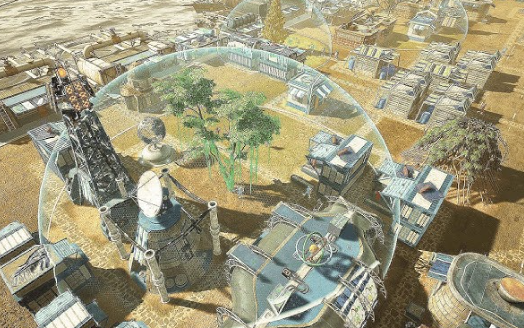
In a world that often feels on the brink of chaos, the thought of a post-apocalyptic survival community can inspire both intrigue and trepidation. These communities, whether born from fiction or the imagination of survivalists, represent a fascinating blend of preparedness, resilience, and cooperation.
1. The Structure of Survival Communities
Post-apocalyptic survival communities typically emerge in the aftermath of a significant societal collapse. This collapse could be due to various factors such as natural disasters, warfare, or pandemics. These communities are usually organized in a way that ensures efficient resource management and security. For instance, many communities adopt a hierarchical structure where responsibilities are divided among members, promoting a sense of unity and purpose that is vital for survival.
Members of these communities often possess specialized skills, ranging from agriculture to security. For example, a community may have designated farmers who focus on sustainable food production, while others may take on roles in security to protect the colony from external threats. This division of labor is essential for maintaining the health and safety of the group, helping to create a self-sustaining environment.
-
- Assess the skills and specialties of each member.
-
- Define leadership roles clearly to avoid confusion.
-
- Implement regular community meetings to discuss issues and strategies.
-
- Promote collaborative projects to enhance community bonds.
2. Resource Management and Sustainability
Resource management is a cornerstone of any survival community. In a post-apocalyptic world, scarcity could be the norm, making it essential for communities to engage in sustainable practices. This often involves developing systems for water collection, waste management, and food production. Many communities would utilize permaculture techniques and renewable resources to minimize waste and maximize output, ensuring that they can survive even in challenging conditions.
For instance, rainwater harvesting systems can be vital for providing clean water, while community gardens can enhance food security. Some communities also adopt barter systems as a means of trade which allows them to sustain themselves without relying on currency that has lost its value. By focusing on self-sufficiency and efficient resource utilization, these survival communities can thrive where others might falter.
-
- Set up rainwater collection systems for hydration.
-
- Create community gardens to boost food security.
-
- Establish waste recycling processes to minimize pollution.
-
- Encourage bartering to promote local trade.
3. Security and Defense Strategies
Protection is a critical aspect of survival in a post-apocalyptic scenario. Communities often develop security protocols to safeguard their members and resources. Regular training in self-defense and creating a watch system are common practices. Some communities even create tactical plans to address potential threats, whether they come from marauders or wild animals.
Additionally, building fortified shelters can help communities feel safe and secure. This might involve utilizing natural barriers or building structures that can withstand attacks. Surveillance methods, such as lookout posts and guard shifts, ensure that communities are always prepared for any potential danger, allowing them to respond swiftly and effectively.
-
- Conduct regular security drills for all community members.
-
- Create designated lookout points for early threat detection.
-
- Establish a schedule for guard shifts to ensure constant vigilance.
-
- Incorporate natural barriers like trees and hills into defense planning.
4. Communication and Community Engagement
Effective communication is vital for any thriving community, especially in a post-apocalyptic setting. Communities often utilize various methods to stay connected, whether through direct dialogue, visual signals, or morse code over radios. Having clear lines of communication ensures that everyone is informed about community needs, changes in security protocols, or even agricultural strategies.
Community engagement is equally important. Organizing events, workshops, or communal meals can foster strong relationships among members, encouraging collaboration and trust. When members feel emotionally connected to one another, they are more likely to contribute to the community’s overall well-being and success.
-
- Develop a communication tree for relay of information.
-
- Host regular community gatherings for updates and bonding.
-
- Encourage feedback from all members regarding community concerns.
-
- Create approachable platforms for discussion about daily operations.
In summary, post-apocalyptic survival communities are more than just a cluster of people trying to survive; they embody resilience, cooperation, and adaptability. Understanding how they function can inspire us to be better prepared for uncertainties in our own lives. By learning about community structure, resource management, security strategies, and the importance of communication, we can cultivate skills that are just as applicable in a non-apocalyptic world. Take the first step today—connect with your local community, build relationships, and consider ways to enhance your own preparedness!