
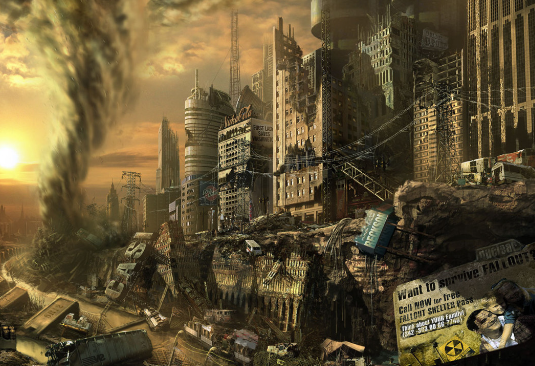
Post-apocalyptic literature provides a fascinating glimpse into worlds ravaged by disaster, exploring themes of survival, humanity, and resilience. From nuclear fallout to environmental collapse, these narratives challenge characters and readers alike to reconsider the fabric of society. In this blog post, we will explore some compelling aspects of post-apocalyptic books and what makes them resonate with us.
1. The Evolution of Post-Apocalyptic Narratives
The genre has evolved significantly since its inception. Early works like Mary Shelley’s “The Last Man” and H.G. Wells’ “The War of the Worlds” laid the groundwork for future tales of human struggle in a devastated world. These stories often mirrored the anxieties of their times, such as fears of war or disease, presenting dystopian realities that forced characters to confront their worst nightmares.
Modern post-apocalyptic novels often delve deeper into the psychology of characters, questions of morality, and the nature of humanity itself. Works like Cormac McCarthy’s “The Road” study the bond between father and son amid overwhelming despair, while “Station Eleven” by Emily St. John Mandel weaves in the importance of art and culture in preserving humanity’s essence. Both exemplify how contemporary authors have broadened the genre’s appeal, engaging readers with complex narratives and thought-provoking themes.
-
- Explore early works to understand the genre’s roots.
-
- Pay attention to the historical context of the narratives.
-
- Look for psychological and philosophical themes in modern stories.
-
- Consider how different authors portray societal collapse.
2. Key Themes in Post-Apocalyptic Literature
Post-apocalyptic books often explore a variety of themes, which makes them rich and engaging for readers. Survival is perhaps the most obvious theme; characters must navigate harsh environments, challenge their values, and find ways to either adapt or perish. This theme resonates with readers, who often see reflections of their own struggles, whether in everyday life or in broader societal issues.
Another recurring theme is the redefinition of community and familial bonds. In many narratives, traditional societal structures break down, forcing characters to innovate and form new alliances. This can lead to a critique of societal norms and an exploration of what it means to be “civilized.” Titles like “The Dog Stars” by Peter Heller focus on the relationships that develop in the face of adversity, showcasing how humanity can prevail even in the most dire situations.
-
- Reflect on the survival strategies that characters employ.
-
- Analyze how relationships change in a post-apocalyptic setting.
-
- Think about the role of morality in these narratives.
-
- Consider how characters respond to loss and grief.
3. Recommendations for Must-Read Post-Apocalyptic Books
If you’re looking to dive into the world of post-apocalyptic literature, there are some standout titles worthy of your attention. “The Road” by Cormac McCarthy offers a haunting portrayal of a father and son navigating a desolate landscape. Its sparse, poetic language enhances the emotional gravity of their journey, making it a compelling read for those who appreciate depth and complexity.
Another must-read is “The Stand” by Stephen King, a sweeping epic that explores the fallout of a pandemic and the ensuing battle between good and evil. King’s masterful character development allows readers to become invested in the fates of those involved in the struggle. Each character invites reflection on human nature, community, and the fundamental question of survival.
-
- Start with “The Road” for a deep emotional experience.
-
- Try “The Stand” if you prefer a broader narrative scope.
-
- Look for independent authors in the genre for fresh perspectives.
-
- Join a book club focused on post-apocalyptic literature to share insights.
4. The Appeal of Post-Apocalyptic Settings
The settings of post-apocalyptic books are as diverse as the stories themselves. From barren wastelands to overgrown cities, these environments often serve as characters in their own right, influencing the narrative trajectory. For example, in “A Canticle for Leibowitz” by Walter M. Miller Jr., a post-nuclear world is filled with ruins and relics of the past, exploring how history can shape future generations.
Moreover, the fascination with these settings invites readers to ponder their own real-world environments. Imagining how society might collapse due to climate change, technological disasters, or pandemics leads to a sense of urgency about maintaining our current world. This, in turn, instigates conversations about sustainability, governance, and community resilience.
-
- Visualize how various settings influence character behavior.
-
- Think about whether the environment feels believable and immersive.
-
- Consider what each setting reveals about human nature.
-
- Discuss the implications of the setting on real-world issues.
Post-apocalyptic books have a timeless quality that captivates readers by blending adventure with philosophical inquiry. They encourage you to reflect on our society’s current trajectory while showcasing the indomitable nature of humanity. So, dive into one of these compelling narratives today, and let the journey challenge your perceptions of survival and connection.