
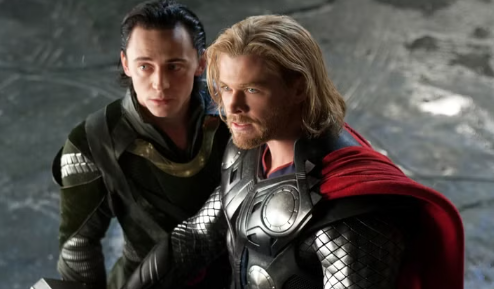
The Marvel Cinematic Universe (MCU) has become a cultural phenomenon, captivating audiences worldwide with its interconnected stories and beloved characters. However, not all films within this expansive franchise have been received with the same enthusiasm. In this post, we’ll explore some of the most overrated MCU movies, shedding light on why they may not deserve the praise they often receive.
1. Iron Man 2
While “Iron Man 2” was a box office success, many fans and critics felt it failed to capture the magic of its predecessor. The film struggled with its narrative, often veering off course with subplots that didn’t resonate, such as the introduction of multiple villains (Whiplash and Justin Hammer) that left audiences confused. Additionally, it relied heavily on setting up future movies rather than providing a solid standalone story.
The pacing of “Iron Man 2” also detracted from the film’s impact. Instead of a cohesive journey, viewers encountered several disjointed scenes and filler moments. The film’s action sequences, while visually impressive, lacked the emotional stakes that made the original “Iron Man” so compelling. This left some viewers underwhelmed and questioning its place in the MCU landscape.
-
- Rewatch “Iron Man” for context.
-
- Take notes on character arcs.
-
- Consider how sequels can sometimes stumble.
-
- Watch videos that critique its narrative structure.
2. Thor: The Dark World
“Thor: The Dark World” is often regarded as one of the weakest links in the MCU. Critics noted its lackluster villain, Malekith, whose motivations felt underdeveloped, ultimately leading to an unmemorable showdown. The movie’s plot felt convoluted, with an over-reliance on complex lore that alienated some viewers rather than enriching the experience.
Moreover, the film’s attempts at humor often fell flat and detracted from the more serious elements of the story. It struggled to balance comedy and drama, leaving audiences feeling disoriented. While it did provide valuable background for characters like Loki and set up future films, its overall execution left much to be desired.
-
- Analyze character development across MCU films.
-
- Watch video essays critiquing its plot.
-
- Identify the strengths and weaknesses in villain portrayal.
-
- Reflect on how humor affects storytelling in superhero films.
3. Avengers: Age of Ultron
<p”Avengers: Age of Ultron” was highly anticipated following the success of the first Avengers film. However, it struggled to live up to expectations, presenting a muddled plot that juggled numerous characters and subplots without giving each enough screen time. The introduction of new characters, like Vision, Scarlet Witch, and Quicksilver, felt rushed and lacked the depth to make them resonate with audiences.
Furthermore, the film presented a villain, Ultron, who was meant to be menacing but often came off as more of a joke than a threat. This diminished the stakes of the story and left some viewers feeling less invested. Despite its impressive visuals and action sequences, many felt it lacked the emotional gravity that made its predecessor so engaging.
-
- Evaluate the pacing and character lineup in sequels.
-
- Consider the balance between humor and seriousness in films.
-
- Discuss the impact of villain development.
-
- Reflect on audience expectations versus outcomes.
4. Captain Marvel
“Captain Marvel” introduced audiences to a new hero, Carol Danvers, but some viewers felt it fell short in terms of character development. The film’s attempts to weave in feminist themes sometimes overshadowed the storytelling, making it feel more like a message than a narrative focus. While it aimed to set the stage for the future of the MCU, it left some fans wanting more depth and emotional resonance.
Critics pointed to the film’s pacing as a hindrance, with a rushed setup that didn’t allow for a deeper dive into Carol’s backstory or motivations. Additionally, the film’s humor didn’t always hit the mark, which detracted from pivotal moments that could have been more impactful. The action scenes, while entertaining, also lacked the originality that audiences have come to expect from the franchise.
-
- Revisit the film to gauge your emotional response.
-
- Consider how origin stories can be effectively developed.
-
- Discuss the role of humor in storytelling.
-
- Watch analyses that critique its thematic focus.
5. The Incredible Hulk
The MCU began with “The Incredible Hulk,” a film that seems largely forgotten amid the franchise’s more popular entries. While it did attempt to build a compelling narrative about Bruce Banner, many found it difficult to connect with the character in the way that later films would successfully achieve. The film’s pacing felt uneven, with clunky exposition and a slower burn compared to other MCU installments.
Additionally, the portrayal of the Hulk lacked the finesse and characterization found in more recent adaptations. The film appeared to compete with the first “Iron Man,” but instead, it came across as a lesser entry that didn’t quite capture the thrill of superhero storytelling. Despite having notable performances, the overall execution didn’t resonate with fans or critics.
-
- Research the evolution of the Hulk’s character in film.
-
- Analyze how storytelling has changed in the MCU.
-
- Consider how audience expectations affect reception.
-
- Watch comparisons between this and later Hulk adaptations.
In conclusion, while the MCU has delivered countless beloved films, it’s essential to recognize that not every entry is a masterpiece. Understanding the critiques surrounding these overrated films can lead to richer discussions about character development, storytelling, and audience expectations in the superhero genre. As you explore the MCU, keep these discussions in mind to appreciate both the hits and the misses more deeply.