
If you’re new to the Mad Max universe, diving into this post-apocalyptic saga can feel overwhelming. With multiple films released over several decades, knowing where to start and how they connect can be a challenge. This guide will help you understand the sequence of the Mad Max films and what to expect from each installment.
1. Mad Max (1979)
The original Mad Max film, released in 1979, introduces audiences to a dystopian future where society has collapsed due to resource scarcity and widespread violence. Starring Mel Gibson as Max Rockatansky, a former police officer turned vigilante, the film sets the tone for the rest of the series. Max’s world is harsh and unforgiving, characterized by lawlessness and brutal, high-octane car chases.
This film is significant not only because it’s the starting point of the series, but also due to its low-budget, gritty aesthetic. It became a cult classic and launched a franchise that would inspire countless other films and media. Its themes of survival, revenge, and the loss of humanity resonate throughout the series.
-
- Watch “Mad Max” for an understanding of the setting and characters.
-
- Pay attention to the film’s action sequences; they set a high bar for the rest.
-
- Note the introduction of key characters like Toecutter and Jessie.
-
- Consider the film as a standalone story or the beginning of a larger narrative.
2. Mad Max 2: The Road Warrior (1981)
Following the success of the first film, “Mad Max 2: The Road Warrior” was released in 1981 and is often regarded as one of the finest sequels in cinema history. This installment moves deeper into the post-apocalyptic setting, showcasing a desolate landscape dominated by warlords and nomadic tribes. Max is further developed as a character, exhibiting a more stoic persona as he navigates this unforgiving world.
The Road Warrior expands on the themes introduced in the first film while introducing new concepts, such as community and hope. Max reluctantly becomes a protector for a small settlement besieged by a ruthless gang led by the Lord Humungus. The film is renowned for its incredible practical effects, including iconic car chases and stunts, further solidifying the series’ legacy of high-octane action.
-
- Focus on character evolution—especially Max’s transformation.
-
- Observe the societal structures depicted within the settlement.
-
- Take note of the film’s iconic vehicles; they play a significant role in the plot.
-
- Consider how this film builds on the foundation of the first.
3. Mad Max Beyond Thunderdome (1985)
In “Mad Max Beyond Thunderdome,” released in 1985, the franchise takes a slightly different direction, introducing a more whimsical yet dark world. Directed by George Miller and George Ogilvie, this film incorporates elements of societal critique and moral dilemmas. Max, played again by Mel Gibson, finds himself in Bartertown—a place governed by the ruthless Aunty Entity, played by Tina Turner.
This installment explores themes like power, justice, and community while maintaining the action-packed nature fans expect. The film further develops the lore of the Mad Max universe, introducing new characters and locations, while still retaining the core motivations of survival and personal redemption. It’s also notable for its memorable soundtrack and quirky moments, making it a unique addition to the series.
-
- Note the darker undertones and moral questions presented.
-
- Focus on character dynamics, especially between Max and Aunty Entity.
-
- Observe the significance of the Thunderdome—a key location.
-
- Understand how this film diverges stylistically from the first two.
4. Mad Max: Fury Road (2015)
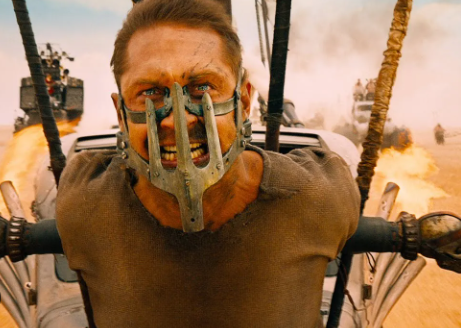
The latest installment, “Mad Max: Fury Road,” released in 2015, is a modern reimagining of the series, directed by George Miller. Starring Tom Hardy as Max and Charlize Theron as Imperator Furiosa, the film has received critical acclaim for its groundbreaking cinematography, practical effects, and intense action sequences. Set in a post-apocalyptic desert wasteland, the characters embark on a harrowing mission to overthrow the tyrannical leader Immortan Joe.
This film not only serves as a continuation of Max’s story but also features strong themes of feminism and camaraderie. The pacing is frenetic, focusing on a continuous chase and maintaining high stakes throughout. With minimal dialogue, the film relies on visual storytelling to convey its narrative, offering a fresh experience for both new viewers and long-time fans of the franchise.
-
- Appreciate the innovative visuals and practical effects.
-
- Focus on Furiosa’s character and her pivotal role.
-
- Engage with the film’s political and social critiques.
-
- Recognize how this film serves both as a sequel and a reboot.
5. The Mad Max Universe: Connecting the Dots
Understanding the Mad Max universe extends beyond just watching the films in sequence. While each film can stand alone, they interconnect through recurring themes, character arcs, and a consistent dystopian world. The exceptional world-building invites audiences to question humanity’s nature, societal decay, and the struggle for survival amidst chaos.
Additionally, there are notable differences in tone and style as you progress through the series. The original films have a rawness to them, while “Fury Road” pushes the envelope of filmmaking technology. This contrast enriches the viewing experience, allowing fans to appreciate the evolution of the franchise as a cinematic work of art.
-
- Explore the series as a commentary on human nature.
-
- Reflect on the differing styles of each film.
-
- Engage with fan discussions to gain deeper insights.
-
- Consider re-watching films to appreciate the connections more richly.
In conclusion, the Mad Max universe is a thrilling ride through a chaotic world where survival reigns supreme. Whether you’re a newcomer or revisiting the series, each film offers unique insights and experiences. So, grab some popcorn, buckle up, and enjoy the journey into the post-apocalyptic frenzy!