
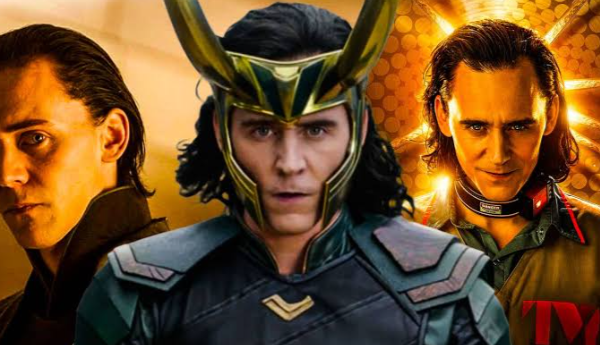
The Marvel Cinematic Universe (MCU) is a complex web of interconnected stories, but few characters have as twisting a timeline as Loki, the God of Mischief. This blog post will guide you through the key moments in Loki’s timeline, offering insights into his development and the broader implications for the MCU.
1. A God’s Backstory
Loki, portrayed by Tom Hiddleston, first appeared in “Thor” (2011) as the adopted brother of Thor, the God of Thunder. Raised in the icy realm of Jotunheim, he struggles with issues of identity and self-worth, particularly after discovering his Frost Giant heritage. This revelation sends him spiraling into a quest for power and acceptance, pushing him to embrace his role as both a villain and an anti-hero.
His early narrative establishes key traits: cunning, deception, and a deep craving for approval. By the end of “Thor,” Loki’s betrayal culminates in an attempt to take the throne of Asgard. This pivotal moment not only sets up his character arc but also introduces critical themes about family, status, and self-acceptance.
-
- Explore Loki’s origins in “Thor” for a foundational understanding of his character.
-
- Note his complex relationship with Thor and how it influences his choices.
-
- Pay attention to themes of identity and betrayal; they recur throughout his story.
-
- Watch how his actions in this film lay the groundwork for future conflicts.
2. The Rise and Fall of the Trickster
Loki’s character truly evolves during “The Avengers” (2012), where he attempts to conquer Earth using the Chitauri army and the scepter granted by Thanos. This film highlights Loki’s ambition but also exposes his vulnerabilities, particularly his need for validation. His clash with the Avengers underscores the internal conflict between seeking power and forming genuine connections.
Following “The Avengers,” we see Loki facing consequences for his actions in “Thor: The Dark World” (2013) and “Thor: Ragnarok” (2017). In these narratives, he oscillates between villainy and reluctant allies, revealing his depth and complexity. These films illustrate how Loki grapples with his dark tendencies while also exploring the possibility of redemption.
-
- Analyze Loki’s ambitions in “The Avengers” to understand his motivations.
-
- Observe his growth in “Thor: Ragnarok” as he finds family ties.
-
- Take note of how his relationship with Thor changes throughout the films.
-
- Reflect on how his choices lead to varying perceptions of loyalty and betrayal.
3. Loki and the Multiverse
The introduction of the Disney+ series “Loki” in 2021 marks a pivotal moment in the MCU, as it explores the consequences of Loki’s actions, particularly after he steals the Tesseract in “Avengers: Endgame” (2019). This moment creates a branching timeline and leads to the existence of multiple Lokis and timelines. The show delves into concepts of determinism versus free will, as Loki confronts the TVA (Time Variance Authority) and learns about his fate.
The series not only expands on Loki’s character but also introduces the multiverse, setting the stage for future MCU projects. The interactions with other variants, notably Sylvie, challenge Loki’s understanding of love, destiny, and power. This culminates in significant twists that leave audiences eager for more, especially with the potential introduction of Kang the Conqueror, who poses a greater challenge for the MCU.
-
- Watch “Loki” to see how he navigates complex themes of time and identity.
-
- Consider how the TVA’s role affects the multiverse and Loki’s character.
-
- Pay attention to the relationships formed with other variants.
-
- Reflect on how “Loki” transforms the viewer’s understanding of consequences.
In conclusion, Loki’s timeline in the MCU is a rich tapestry woven with themes of identity, ambition, and redemption. As you dive into each storyline, consider how these elements contribute to the broader narrative within the Marvel universe. Whether you’re a longtime fan or new to the series, Loki’s journey encourages us to explore our own complexities and relationships.