
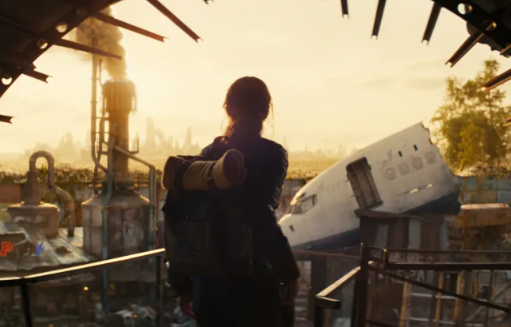
Thriller movies set in post-apocalyptic worlds offer a unique blend of suspense, human drama, and survival instincts, captivating audiences with their intense storytelling and thought-provoking scenarios. These films not only entertain but also force viewers to ponder their survival and morality in extreme situations. Here’s a look at some of the best thriller movies that explore this intriguing genre.
1. The Road
Adapted from Cormac McCarthy’s Pulitzer Prize-winning novel, “The Road” immerses viewers in a bleak, desolate landscape where a father and son journey through a post-apocalyptic America. The film’s slow-building tension is driven by the survival struggles against marauders and the environment, showcasing a haunting bond between the father and child. As they navigate through despair, their relationship becomes the emotional anchor, reminding audiences of love’s resilience amidst chaos.
The cinematography complements the film’s mood with grey tones and stark imagery, effectively conveying the overwhelming hopelessness of their surroundings. With moments of harrowing suspense, the film poses critical questions about humanity and what one would do to protect their loved ones. “The Road” serves as a striking reminder of the fragility of civilization and parental devotion in the face of adversity.
-
- Identify key themes like survival, love, and the loss of humanity.
-
- Pay attention to character development and emotional depth.
-
- Analyze the role of nature in the film’s atmosphere.
-
- Consider how the film portrays the impact of societal collapse.
2. A Quiet Place
“A Quiet Place,” directed by John Krasinski, presents an innovative take on the thriller genre by incorporating sound as a central element of survival. In a world besieged by blind monsters that hunt based on sound, a family is forced into a deafening silence to survive. The tension escalates with every noise, magnifying viewers’ anxiety as they root for the family’s survival. This film brilliantly intertwines horror and family drama, creating a visceral viewing experience.
Using minimal dialogue, “A Quiet Place” effectively conveys its narrative through expressions, visual storytelling, and sounds of nature, intensifying the suspense. The film’s clever pacing keeps audiences on the edge of their seats, amplifying the stakes as the family faces increasing threats. The balance between heart-pounding moments and tender family interactions makes it a standout in the post-apocalyptic thriller landscape.
-
- Focus on the importance of silence and sound in the narrative.
-
- Examine how the film uses suspense to build tension.
-
- Discuss character actions and their consequences for survival.
-
- Reflect on the film’s commentary about family bonds and sacrifice.
3. 28 Days Later
Starring Cillian Murphy, “28 Days Later” revolutionized the zombie genre with its gripping depiction of a viral outbreak that leads to the rapid collapse of society. The film expertly captures the chaotic aftermath of a world overtaken by rage-fueled infected, blending visceral horror with moments of psychological thriller. The narrative not only focuses on survival but also explores the fragility of human relationships when civilization crumbles.
With a mix of heart-pounding chase sequences and haunting imagery, “28 Days Later” challenges viewers to consider the moral questions that arise during a fight for survival. Its influence is evident in the resurgence of the apocalyptic genre, showcasing themes of despair and hope. The landscape of abandoned London becomes a haunting reminder of what was lost, sharpening the film’s emotional core.
-
- Analyze the transformation of characters throughout the film.
-
- Consider the cinematography and its impact on mood.
-
- Reflect on the film’s commentary about human nature in crisis.
-
- Investigate the role of the environment and urban settings in the plot.
4. The Book of Eli
The dystopian western “The Book of Eli,” featuring Denzel Washington, is a gripping tale of a lone traveler protecting the last remaining copy of the Bible. Set in a post-apocalyptic landscape ravaged by war and desolation, Eli’s journey involves encounters with various factions that seek to seize the priceless book for their own purposes. The film intelligently interweaves action and moral themes, prompting viewers to contemplate the importance of faith and knowledge in rebuilding society.
The film’s cinematography contrasts with its bleak narrative, utilizing vibrant undertones to represent hope amidst despair. The one-man army approach amplifies the thriller elements, while Eli’s internal struggles highlight the importance of protecting wisdom in a world where it has become a scarce commodity. Overall, this film emphasizes the significance of faith and resilience, characterizing the human spirit’s determination to keep hope alive.
-
- Explore how faith is depicted in a post-apocalyptic world.
-
- Discuss the character’s motivations and their moral dilemmas.
-
- Examine the film’s visual narrative and use of color.
-
- Reflect on the potential for rebuilding society through knowledge.
In conclusion, post-apocalyptic thriller movies are not just about survival; they delve into human emotions, relationships, and moral choices in extreme circumstances. These films invite viewers to engage with their intense narratives and think critically about what it means to be human in a world turned upside down. So grab some popcorn, prepare for suspense, and enjoy the captivating worlds these films create!