
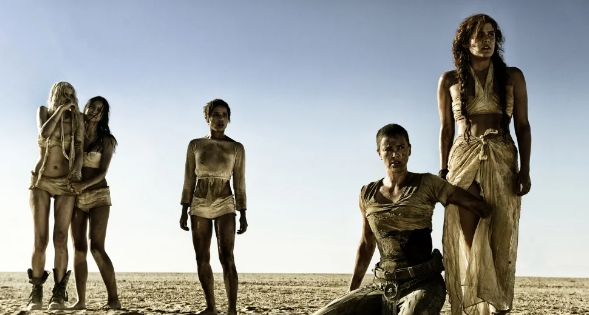
Costume design in post-apocalyptic films plays a pivotal role in establishing the narrative and emotional tone of these dystopian worlds. From rugged survival gear to makeshift outfits, the visual representation of characters often reflects their struggles and resilience in a chaotic landscape. Let’s explore some of the best costume designs that have left a lasting impact on audiences.
1. Mad Max: Fury Road
“Mad Max: Fury Road” is often heralded for its groundbreaking costume design that not only enhances the film’s gritty aesthetic but also serves to deepen the characterization. Designed by Jenny Beavan, every outfit tells a story of survival, rebellion, and adaptability in a barren wasteland. The dynamic use of accessories, like spiked shoulder pads and cleverly integrated armor, adds a fierce edge to the characters, making them visually striking against the desolate backdrop.
The film features a mix of scavenged materials and repurposed clothing, emphasizing a resourceful ethos essential to the world of “Fury Road.” The War Boys, for instance, sport a combination of leather and metal, enhancing their menacing presence while reflecting their violent culture. Beavan’s attention to detail in each character—from the fierce Imperator Furiosa to the ethereal Vuvalini—provides a rich visual tapestry, making something as simple as a costume an integral part of the film’s storytelling.
-
- Study the resourcefulness of the characters in your costume choices.
-
- Incorporate unique textures and materials to enhance visual storytelling.
-
- Use accessories as a means of character development.
-
- Consider how clothing informs the audience about cultural backgrounds.
2. A Quiet Place
The costume design in “A Quiet Place” effectively captures the themes of survival and practicality while evoking the emotional depth of the characters. Designed by Kimberly B. Smith, the ensemble focuses on muted colors and functional clothing, which highlights the stark reality of life in a sound-sensitive world. Each piece is not only chosen for its practicality, but it also conveys the character’s psychological state as they navigate the dangers around them.
The family’s costumes include items that are both comfortable and durable, illustrating their attempts to live in a world where every sound can provoke deadly consequences. The use of layered clothing is particularly thoughtful, as it allows flexibility and warmth while still prioritizing stealth. Each outfit reflects the tension and urgency of their life and adds to the film’s overall suspenseful atmosphere.
-
- Opt for muted colors to emphasize the mood of your story.
-
- Prioritize comfort and functionality over fashion in post-apocalyptic settings.
-
- Show character development through evolving wardrobe choices.
-
- Incorporate layers that could be practical in varying conditions.
3. The Road
The somber film “The Road” showcases an entirely different approach to costume design, focusing on the bleakness of survival after societal collapse. Designed by costume designer Marlene Stewart, the clothing is intentionally worn and ragged, depicting a world stripped of basic luxuries. The muted tones and tattered fabrics mirror the physical and emotional decay of civilization, creating a powerful visual statement on the state of humanity.
The main characters wear rugged, mismatched garments that suggest a long struggle for survival. This design choice speaks volumes about their journey and the impact of their environment on their psyche. Moments when the characters scavenge for clothing or modify their outfits serve to emphasize the essential theme of adaptation in a hostile world. The subtext of clothing as a protective shield against the elements is palpable throughout the film.
-
- Focus on visual storytelling through worn and ragged clothing.
-
- Utilize muted colors to amplify emotional weight.
-
- Highlight character struggles through their clothing choices.
-
- Reflect the environment’s impact on fashion and style.
4. Children of Men
“Children of Men” is renowned for its strikingly realistic portrayal of a dystopian future, and its costumes play a significant role in immersing viewers in its oppressive atmosphere. Costume designer Anne Roth aimed to capture the essence of a world that has descended into chaos and despair. The clothing ranges from utilitarian, government-issued attire to streetwear that reflects desperation, illustrating the societal breakdown around the characters.
The diversity in clothing styles highlights the various socio-economic classes that exist amid the dystopian backdrop. Characters such as Theo wear layered clothing, which not only adds to the realism but also signifies a sense of protection against a harsh world. The stark contrast in costumes helps differentiate between the oppressive regime’s enforcers and the struggling populace, enhancing the film’s narrative complexity and tension.
-
- Create distinct clothing styles for different societal groups within your story.
-
- Incorporate realistic materials to enhance authenticity.
-
- Use layering to portray character status and survival strategy.
-
- Reflect environmental influences on clothing choices.
Costume design is a critical aspect of storytelling in post-apocalyptic films, offering insight and depth to characters and their worlds. By studying the approaches taken in these notable films, you can gain valuable inspiration for your own costume creations. Whether you’re working on a film project or a personal costume, remember to consider how your choices reflect the narrative and the emotional journey of the characters involved.