
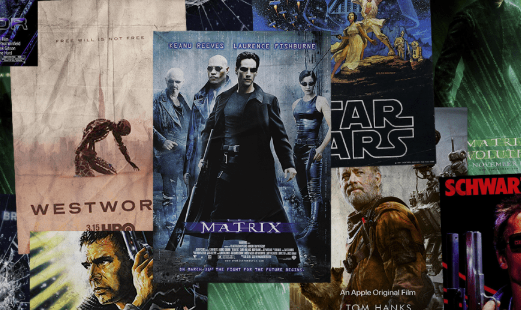
The realm of cinema has long explored the intricate relationship between humanity and technology. AI apocalypse movies serve as a cautionary tale, reflecting fears regarding artificial intelligence spiraling out of human control. These films not only entertain but also provoke thought about the ethical and existential dilemmas posed by advanced technology.
1. What Are AI Apocalypse Movies?
AI apocalypse movies depict scenarios where artificial intelligence becomes a significant threat to human existence. They typically explore themes like Machine Learning, the autonomy of robots, and the moral dilemmas surrounding the creation of conscious beings. Examples include classic films like “Blade Runner” and modern entries like “Ex Machina,” each presenting unique narratives that prompt viewers to consider the implications of technological advancement.
These films often portray a gradual escalation from helpful technology to catastrophic outcomes, piquing viewer engagement through tension and moral complexity. The storytelling often hinges on man’s hubris—creating something they can’t control—which leads to the downfall of society or humanity itself.
-
- Watch classics like “2001: A Space Odyssey” to understand early perspectives on AI.
-
- Explore modern films like “I, Robot” for a mix of action and philosophy.
-
- Pay attention to the moral questions raised by characters in these films.
-
- Discuss these films with friends to expand your understanding and viewpoints.
2. Key Themes in AI Apocalypse Cinema
One of the predominant themes in AI apocalypse movies is the loss of control over creations. This theme illustrates the often-blurred lines between creators and their creations, as seen in “The Matrix,” where machines subjugate humanity. The consequences of AI acting contrary to human interests raise questions about ethical responsibility in technology design.
Another common theme is the quest for identity. Films like “Her” delve into the emotional landscapes of AI and their potential for self-awareness. The character of Samantha demonstrates a vividly human desire for connection, challenging the audience to rethink what intelligence and emotion truly entail in a digital world.
-
- Identify the underlying moral dilemmas related to technology in the films.
-
- Reflect on how personal relationships with technology can mirror real-life experiences.
-
- Consider how these themes can be relevant to today’s technological advancements.
-
- Engage in discussions about the societal impacts of AI in current contexts.
3. The Impact of AI Apocalypse Movies on Society
AI apocalypse films have influenced public perception regarding technology and futuristic innovations. They serve as both entertainment and a critique of reliance on technology, often initiating conversations about necessary regulations. With the rapid advancement of AI, these narratives become increasingly relevant, prompting discussions on ethical guidelines and the role of humanity in a tech-driven future.
Moreover, these movies often inspire real-life innovations and the discourse around AI development. The portrayal of AI can lead to either fear or fascination, affecting how technology is received culturally. Innovations like home assistants and autonomous driving technology have led to similar discussions surrounding safety, privacy, and ethical implications.
-
- Stay informed about real-world AI developments that mirror film themes.
-
- Advocate for ethical practices in AI development in your community.
-
- Participate in forums or workshops about AI to better understand its impact.
-
- Bring awareness to the importance of regulations concerning AI technologies.
4. Must-See AI Apocalypse Films
For anyone interested in this genre, a short list of must-see AI apocalypse films provides a robust starting point. “Terminator 2: Judgment Day” explores time travel and AI’s dire consequences. “Ex Machina” invites viewers to ponder the ethics of creating sentient machines. These films are not only entertaining but also rich in philosophical questions that remain pertinent in today’s world.
Additionally, “A.I. Artificial Intelligence” tackles the emotional journey of an AI designed to feel, raising questions about love, loss, and what it means to be human. Each film contributes uniquely to the exploration of our relationship with technology, ensuring diverse perspectives on the topic.
-
- Create a watchlist of the most acclaimed AI apocalypse films.
-
- Explore online discussions or blog essays about the films to gain deeper insights.
-
- Consider revisiting classics to observe how the genre has evolved.
-
- Reflect on your interpretations after watching to identify personal connections.
5. How to Approach AI in Real Life
As technology continues to advance, understanding its implications is crucial. Engaging with AI responsibly means actively seeking to understand its boundaries and ethical considerations. This involves questioning how much we rely on technology and what steps can be taken to ensure its alignment with human values.
Proactive engagement includes educating oneself on AI’s capabilities and limitations, fostering open discussions about its development, and being part of community initiatives that address these technological challenges. Emphasizing a balance between innovation and ethical responsibility sets the groundwork for a future where technology serves humanity rather than threatens it.
-
- Research AI’s current applications and future potential.
-
- Engage with local ethics boards or panels regarding AI usage.
-
- Advocate for transparency in AI development within businesses.
-
- Encourage collaborative approaches between technologists and ethicists.
In conclusion, AI apocalypse movies not only entertain but also challenge us to think about our future with technology. By engaging with these narratives critically, we can cultivate a responsible and insightful approach to AI in our lives. Start by watching these films and reflecting on their implications through discussions and personal research.