
Building a compelling post-apocalyptic world can be a thrilling challenge for writers, creators, and gamers alike. Whether it’s through vivid storytelling or immersive game design, there’s a plethora of elements to consider in crafting a truly engaging experience for your audience.
1. Establishing the Cause of the Apocalypse
At the heart of any post-apocalyptic setting is the event that led to drastic changes in the world. This could be anything from a nuclear disaster to a viral outbreak or even a zombie infestation. Each of these scenarios offers different implications for how society collapses and how survivors adapt. For instance, a pandemic may result in the breakdown of social structures, yet a nuclear war might cause more immediate and ruthless survival tactics.
Moreover, consider the long-term effects that this apocalypse has on the environment and society. In a world ravaged by nuclear fallout, radiation may alter landscapes and mutate flora and fauna. This can create a new ecosystem that challenges the survivors, leading to interesting plot dynamics. Think about how these elements can influence social hierarchies, technology remnants, and the very essence of humanity in your narrative.
-
- Define the trigger event with clarity.
-
- Explore the immediate aftermath of the event.
-
- Consider long-term consequences on both environment and society.
-
- Develop unique challenges that arise from the apocalypse.
-
- Brainstorm ways these elements can affect character development.
2. Designing the New Society
In a post-apocalyptic world, traditional social structures may break down, giving way to new forms of organization. These can range from small, nomadic tribes to fortified communities that focus on self-sufficiency. For example, in a water-scarce environment, a society might revolve around the control and distribution of this precious resource, leading to conflict and alliances. Exploring these dynamics can enhance story complexity and depth.
Additionally, consider the cultural aspects of this new society. What traditions might emerge in response to the apocalypse? How do characters cope with loss and establish new forms of identity? For instance, rituals surrounding the remembrance of lost loved ones can create emotional resonance and potentially even conflict between differing worldviews. This depth will not only make your world feel lived-in but also provide rich narrative threads.
-
- Define the governance structure (e.g., leaders, councils).
-
- Include cultural rituals that reflect the new way of life.
-
- Explore social stratification and the emergence of new classes.
-
- Think about resources that could be sources of conflict.
-
- Incorporate unique languages or dialects that evolve over time.
3. Crafting the Environment
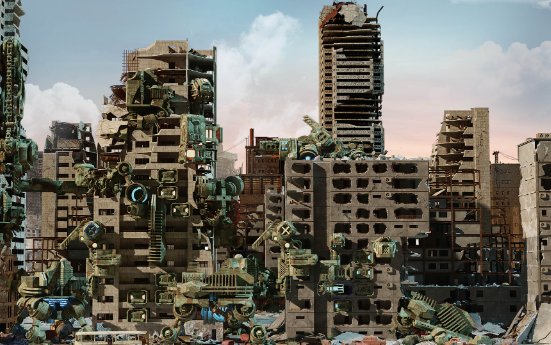
The environment in a post-apocalyptic world is as crucial as the characters and societies. The terrain, weather, and ruined landscapes all contribute to the narrative ambiance. Is it a desolate wasteland filled with crumbling skyscrapers, or dense forests reclaiming urban areas? Having a detailed backdrop can heighten tension, offer obstacles, and evoke emotions tied to isolation or resilience. For instance, a flooded city may become a labyrinth that symbolizes both threat and refuge for its inhabitants.
Furthermore, your environment can serve as a character itself, influencing events and shaping the survivors’ experiences. Consider how the state of the world affects survival strategies, from scavenging for food to finding shelter. The haunting beauty of a once-thriving city overtaken by nature can create moments of nostalgia and reflection among characters, enriching their backstories and relationships.
-
- Create maps to visualize the setting.
-
- Describe the environmental changes in detail.
-
- Incorporate dangerous elements (wild animals, weather).
-
- Explore the symbolism of different locations.
-
- Consider the psychological effects of the environment on characters.
4. Developing Conflicts and Tensions
No story is complete without conflict, and a post-apocalyptic setting offers endless possibilities. Conflicts may arise internally among characters struggling with their moral compass or externally with rival factions vying for control or resources. For example, the moral dilemma of sacrificing a few to save many can provide deep character development and drive the narrative forward. This tension can serve to not only engage readers but also provoke thought about ethics and humanity.
Additionally, consider the layered tensions that can emerge from survivor interactions. Different philosophies—such as survivalism versus community-oriented principles—can lead to intricate dynamics. Moreover, the psychological stress of living in a constant state of danger can turn allies into enemies or reveal hidden desires. Such conflicts become central to both character development and world-building, enriching the reading experience.
-
- Establish clear motivations for your characters.
-
- Think of both internal and external conflicts.
-
- Create scenarios that challenge characters’ morals.
-
- Introduce factions with conflicting ideologies.
-
- Weave personal struggles with broader societal issues.
In conclusion, crafting a post-apocalyptic world is an intricate process that involves thoughtful planning and creative exploration. By paying attention to the details of your setting, society, and character conflicts, you can create a rich, immersive experience for your audience. Start outlining your ideas and let your imagination flourish as you build your unique world!