
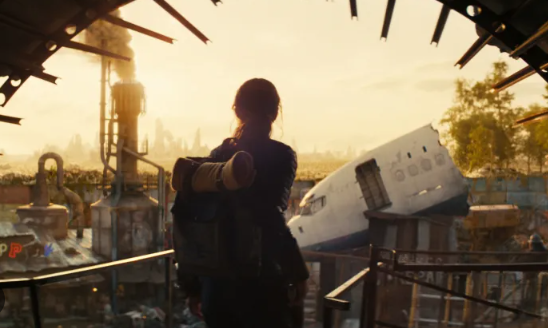
Post-apocalyptic films often captivate audiences with their exploration of survival and the human spirit. One of the most visually striking elements in these films is the portrayal of ruined cities, which serve as haunting backdrops to the stories of struggle and resilience. Here are some of the top movies that showcase fascinating ruined city settings.
1. Mad Max: Fury Road
“Mad Max: Fury Road” takes viewers on an adrenaline-fueled journey through a desolate wasteland, showcasing the remnants of civilization in a fiercely hostile environment. The film’s striking imagery is accentuated by its ruined cityscapes, where makeshift structures and wrecked vehicles tell the story of a fragmented society. The desolate landscape is not just a backdrop; it’s a character that helps drive the narrative forward.
Director George Miller masterfully combines practical effects with CGI to create a visceral sense of destruction. The overt chaos of the ruined settings reflects the film’s themes of survival and resourcefulness. From the iconic Citadel to the haunting desert scenes, the ruined cities play a pivotal role in heightening the stakes for the characters involved.
-
- Watch for the unique vehicle designs that reflect the scavenged nature of the world.
-
- Note how the ruined landscapes function as obstacles in the characters’ journeys.
-
- Pay attention to the way the characters utilize their environment to navigate conflict.
-
- Observe the film’s color palette, which emphasizes the arid wasteland and rusting remnants of a lost civilization.
2. I Am Legend
“I Am Legend” offers a chilling look at a decimated New York City, in which nature has begun to reclaim urban spaces. The portrayal of a deserted Manhattan is particularly striking, with overgrown vegetation curling around iconic skyscrapers and landmarks. This setting not only enhances the film’s atmosphere but also serves as a stark reminder of humanity’s fragility.
Will Smith’s character, Dr. Robert Neville, navigates this haunting landscape in his quest for survival. The abandoned buildings and empty streets contribute to an unsettling sense of isolation. The film explores themes of hope amidst despair, showcasing how the protagonist grapples with both his personal demons and the larger empty world around him.
-
- Look for the contrasts between empty urban life and flourishing nature.
-
- Consider how the setting enhances the protagonist’s feelings of loneliness and desperation.
-
- Take note of the various architectural styles that add depth to the ruined city landscape.
-
- Explore the implications of a world where humans are gone, but nature thrives.
3. The Road
“The Road,” based on Cormac McCarthy’s acclaimed novel, presents a grim vision of a post-apocalyptic world, where cities lie in ruin and humanity’s remnants struggle to survive. The cinematography captures bleak, destroyed landscapes that evoke a sense of despair, reflecting the internal struggle of the father and son at the story’s core. Their journey through this forsaken world is not only a physical one but also an emotional exploration of hope amidst devastation.
The film’s ability to depict hopelessness is enhanced by its empty streets and crumbling buildings, once symbols of civilization now reduced to shadows of their former glory. As the father and son traverse this desolate environment, each ruin stands as a testament to human loss and the fragility of life itself, pushing them to fight for survival and to maintain their humanity against overwhelming odds.
-
- Reflect on how isolation affects the father-son relationship throughout the narrative.
-
- Examine the visual symbolism of ruined cities representing failure and loss.
-
- Analyze the stark contrasts between past and present revealed through the characters’ interactions with their environment.
-
- Consider how the bleak scenery fosters a sense of urgency and desperation in their quest.
4. A Quiet Place
“A Quiet Place” masterfully utilizes its ruined suburban setting to enhance its themes of silence and survival. The film reveals a world overrun by sound-sensitive creatures, and the deserted homes and streets reinforce the tension throughout. The empty spaces evoke a sense of eeriness, pushing the characters to navigate their environment with extreme caution.
The poignancy of abandoned everyday life manifests in broken toys scattered across yards and the overgrown yards of once-bustling communities. The stark visuals illustrate the loss of normalcy while providing a canvas for the characters’ struggle for safety and connection. This film reminds viewers that even in the direst circumstances, family and unity can shine through the ruins.
-
- Note how silence becomes a character of its own and shapes every aspect of the film’s tension.
-
- Pay attention to the use of ruined houses as symbols of what has been lost.
-
- Observe the innovative ways characters adapt to their environment to stay safe.
-
- Consider how everyday items take on new meaning in a ruined world.
The portrayal of ruined cities in post-apocalyptic films goes beyond spectacle; it serves to enhance the storytelling and evoke emotional responses from audiences. These visuals force viewers to confront themes of survival, loss, and the enduring nature of hope. As you explore these films, reflect on the lessons they offer about resilience and humanity’s spirit amidst chaos.