
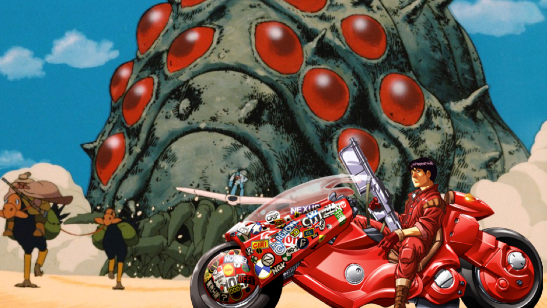
Post-apocalyptic anime captivates audiences with its imaginative storytelling, rich world-building, and exploration of humanity’s resilience. As society crumbles under various scenarios—from nuclear disasters to viral outbreaks—these series delve into survival, moral dilemmas, and the human condition. Here, we’ll explore some of the most thrilling post-apocalyptic anime and what makes them resonate profoundly with viewers.
1. The Rich Tapestry of Storytelling
One of the standout characteristics of post-apocalyptic anime is its ability to weave complex narratives that depict the consequences of cataclysmic events. For instance, “Attack on Titan” showcases humanity’s struggle against towering humanoid creatures, descending into themes of freedom and survival against overwhelming odds. The intricately plotted storylines often highlight not just the physical battles but also the psychological impacts of living in such dire situations, making them relatable and reflective of real-world anxieties.
Another striking example is “Tokyo Ghoul,” where the world is divided between humans and ghouls—beings who require human flesh to survive. This anime effectively uses the struggle for identity and belonging in a shattered world, blurring the lines between good and evil. Characters are forced to confront their morality, making choices that question what truly defines humanity in desperate circumstances.
-
- Explore different themes like survival, morality, and hope.
-
- Look for character development that enhances the story’s depth.
-
- Consider how the creator’s background influences storytelling.
-
- Pay attention to the impact of world-building on the plot.
2. Visual Aesthetics and Atmosphere
The visual presentation in post-apocalyptic anime plays a crucial role in immersing viewers in the destroyed environments. Series like “Saikano” use simplistic yet profound animations to convey the emotional weight of loss, while “Desert Punk” employs vivid colors juxtaposed with bleak landscapes to create a striking atmospheric tension. The animation styles vary significantly, but they share a common goal: to reflect the harsh realities of their settings.
Moreover, sound design and music significantly enhance these visual elements. “Mad Max: Fury Road,” though not an anime, has influenced notable series like “Guilty Crown,” where the soundtrack elevates critical moments and supports the emotional journey of the characters. Effective soundtracks often become emblematic of the series itself, enhancing viewers’ emotional engagement.
-
- Appreciate the interplay between animation and narrative themes.
-
- Consider how music influences the overall tone and atmosphere.
-
- Analyze specific scenes for their artistic techniques.
-
- Take note of recurring visual themes across different series.
3. Diverse Characters and Societal Commentary
Post-apocalyptic anime frequently introduces diverse characters, each fleshing out the complexities of human nature and society. For example, series like “The Walking Dead” may have a far different tone and approach, but many anime parallel this exploration. Characters navigate not only physical threats but also the breakdown of social order and its impact on personal relationships. Such narratives allow for a deep dive into character backstories and motivations, often leading to viewer empathy.
Furthermore, these series offer powerful societal commentaries on real-world issues like war, environmental destruction, or psychological trauma. “Kabaneri of the Iron Fortress,” particularly reflects themes of fear and conflict, mirroring modern societal tensions with its portrayal of a world under siege. These narratives encourage viewers to reflect on their own world and what they can learn from the challenges faced by these fictional communities.
-
- Identify character archetypes and their significance.
-
- Discuss the impact of societal breakdown on characters.
-
- Explore moral dilemmas faced by the characters.
-
- Engage with characters’ growth throughout the series.
4. Iconic Examples Worth Watching
It’s impossible to discuss post-apocalyptic anime without mentioning some iconic titles. “The Promised Neverland” offers a haunting tale of children trying to escape a dystopian farm where they are raised as cattle. The suspenseful plot twists keep viewers glued to their screens while raising questions about innocence and survival. This series stands out for its clever narrative and unexpected developments.
On the other hand, “Steins;Gate” portrays a unique twist on the genre by integrating time travel with a post-apocalyptic backdrop. This inventive approach adds layers to the already complex storyline, merging science fiction and emotional drama in a powerful way. Both series exemplify how diverse storytelling can lead to rich and enjoyable viewing experiences.
-
- Check out other popular titles like “Fist of the North Star.”
-
- Consider exploring lesser-known series for hidden gems.
-
- Engage with online communities for recommendations.
-
- Make a watchlist based on varying themes and styles.
Post-apocalyptic anime serves more than just entertainment. These shows challenge viewers to confront moral dilemmas, emotional struggles, and societal issues wrapped within engaging storytelling. Dive into these series and discover how they can offer insights applicable to real-life situations while providing thrilling narratives that captivate the imagination.